
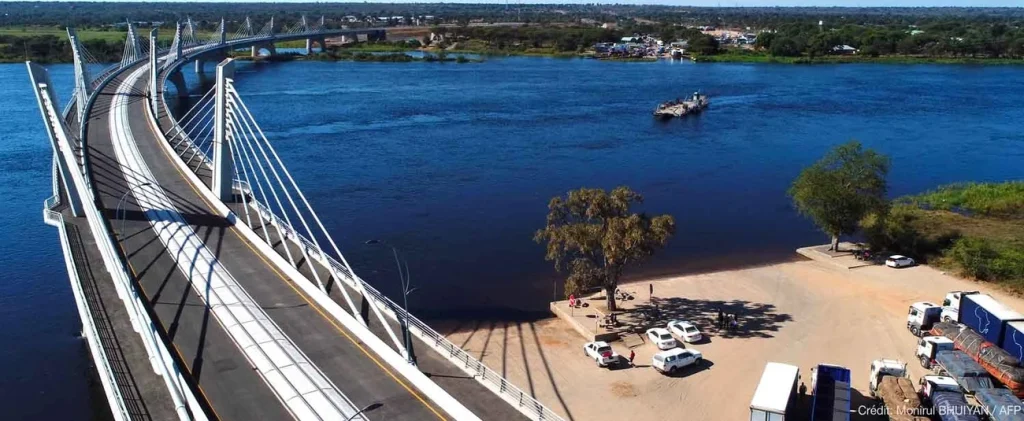
The confluence of the Caprivi Strip (now the Zambezi Region of Namibia), Kasane (Botswana), and Kazungula (Zambia) forms a geographic heartland where three nations converge. It’s a region of stunning natural beauty, teeming wildlife, and vibrant cultures. But, a larger potential exists – to transform this area into a world-class, seamless, transfrontier tourism destination, leveraging the power of collective vision and investment.
This potential lies at the heart of the Kavango-Zambezi Transfrontier Conservation Area (KAZA TFCA), an ambitious initiative that brings together Botswana, Namibia, Zambia, Zimbabwe, and Angola to manage and conserve the region’s unique biodiversity. The potential of the Caprivi-Kasane-Kazungula nexus is central to KAZA’s success.
Unlocking the Transformation
How can this transformation be achieved? It requires a multifaceted approach, involving:
- Border Harmonization and Seamless Travel: The single greatest impediment to transfrontier tourism is bureaucracy. Standardizing visa requirements, reducing border crossing times, and creating a unified “KAZA Univisa” for the three nations would drastically enhance the visitor experience. A pilot Univisa program is already in place, but its smooth implementation across all entry points is crucial.
- Infrastructure Development:
- Modernized Border Posts: Current border facilities can be bottlenecks. Investing in efficient, modern border posts with adequate staffing, streamlined processes, and technological integration is essential.
- Upgraded Transportation Networks: A reliable and interconnected transport network is paramount. This includes upgrading road networks connecting Kasane, Victoria Falls (in Zimbabwe, which is also a key player in the KAZA landscape), and Livingstone (Zambia). Efficient air links and potential ferry services on the Chobe and Zambezi rivers could further enhance accessibility.
- Robust Telecommunications: Widespread high-speed internet and mobile connectivity are no longer a luxury, but a necessity for modern tourists.
- Cross-Border Conservation and Wildlife Management: The region’s wildlife is its biggest asset. Collaborative efforts are needed to ensure the conservation of key species, manage wildlife migration corridors, and combat poaching. This includes harmonized policies, shared intelligence, and coordinated patrols. The reintroduction of wildlife in key areas, such as the Caprivi Strip, is a vital component.
- Community-Based Natural Resource Management (CBNRM): The key to sustainable tourism is ensuring local communities benefit. Supporting CBNRM initiatives, where communities have a voice in managing resources and receive a fair share of tourism revenue, creates a vested interest in conservation and creates economic opportunities.
- Targeted Destination Marketing and Branding: The three nations should develop a joint marketing strategy to brand the Caprivi-Kasane-Kazungula region as a unique transfrontier destination. Highlighting the region’s diverse offerings, from wildlife safaris to cultural experiences and water-based activities, is essential.
Will the Three Nations Come Together?
The fundamental question is whether Botswana, Namibia, and Zambia will collaborate effectively. The establishment of KAZA TFCA itself is a testament to their commitment to a shared vision. While individual national interests inevitably exist, the potential for mutual economic and conservation benefits provides a strong incentive for collaboration.
- Political Will: The success of KAZA hinges on unwavering political will from all participating nations. Regular high-level meetings and joint decision-making processes are crucial to drive the initiative forward.
- Capacity Building: There’s a need to strengthen the capacity of national institutions to manage transfrontier tourism and conservation efforts. This involves training personnel, sharing knowledge, and developing standardized monitoring and evaluation frameworks.
- Resource Allocation: Significant investment is required to realize the full potential of the region. This includes public and private sector funds. Developing mechanisms for joint funding and investment attraction is essential.
Sparking Engagement: A Call to Action
The transformation of the Caprivi-Kasane-Kazungula region requires more than just government action. It requires a collaborative effort involving a range of stakeholders.
Here’s how to spark engagement:
- Governments:
- Prioritize KAZA within national development plans.
- Streamline regulatory frameworks and remove barriers to private sector investment.
- Allocate sufficient funds for infrastructure and conservation projects.
- Actively promote the KAZA vision in national and international forums.
- Private Sector:
- Invest in sustainable tourism infrastructure, such as lodges, campsites, and transport services.
- Develop innovative and engaging tourism products.
- Partner with local communities to create economic opportunities.
- Advocate for responsible tourism practices.
- Civil Society and NGOs:
- Provide technical support for conservation and community development initiatives.
- Monitor the environmental and social impacts of tourism development.
- Advocate for community rights and equitable benefit sharing.
- Raise awareness about the importance of KAZA.
- Local Communities:
- Actively participate in CBNRM initiatives.
- Develop community-based tourism enterprises.
- Advocate for a fair share of tourism benefits.
- Engage with governments and other stakeholders to ensure their voices are heard.
Beyond Boundaries: A Shared Future
The transformation of the Caprivi-Kasane-Kazungula region into a transfrontier tourism destination offers a unique opportunity to secure a sustainable future for both people and wildlife. It requires a significant shift in thinking, moving beyond narrow national interests to embrace a shared regional vision. The journey may be complex, but the rewards are substantial. By working together, Botswana, Namibia, and Zambia can create a vibrant, connected, and prosperous region that benefits everyone. The world is watching, and the potential for this transfrontier tourism super-corridor is truly extraordinary. The time to act is now, and it requires a concerted effort from all involved to unlock this region’s full potential and create a lasting legacy for future generations.